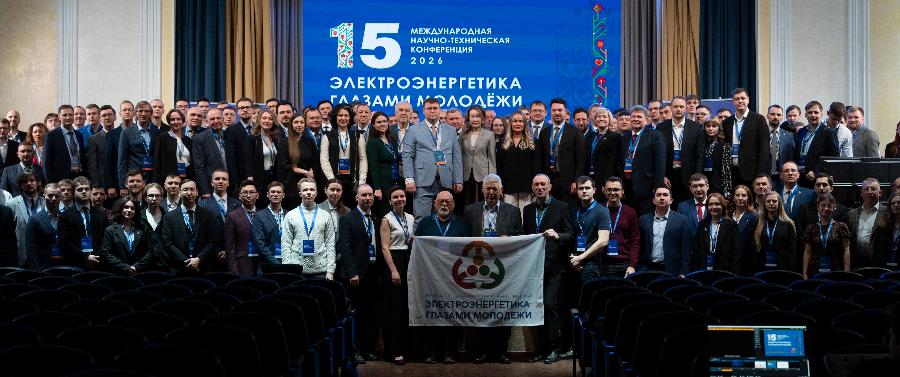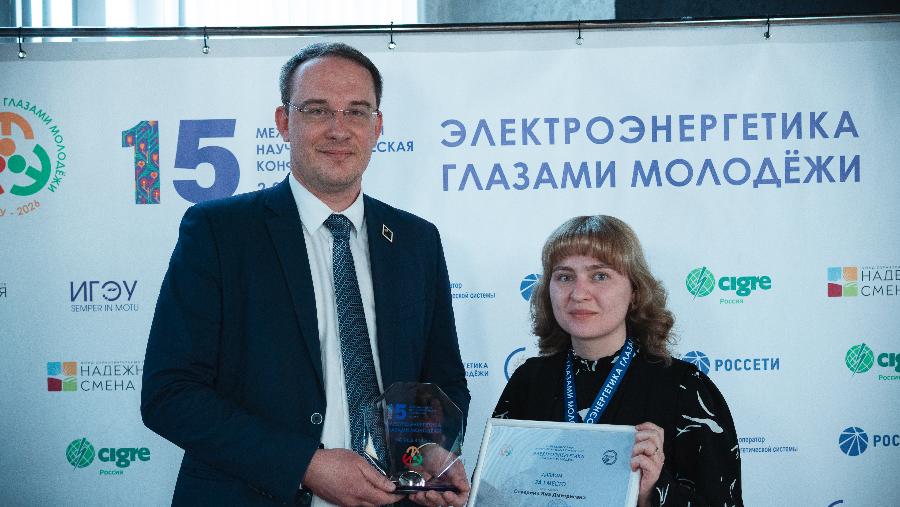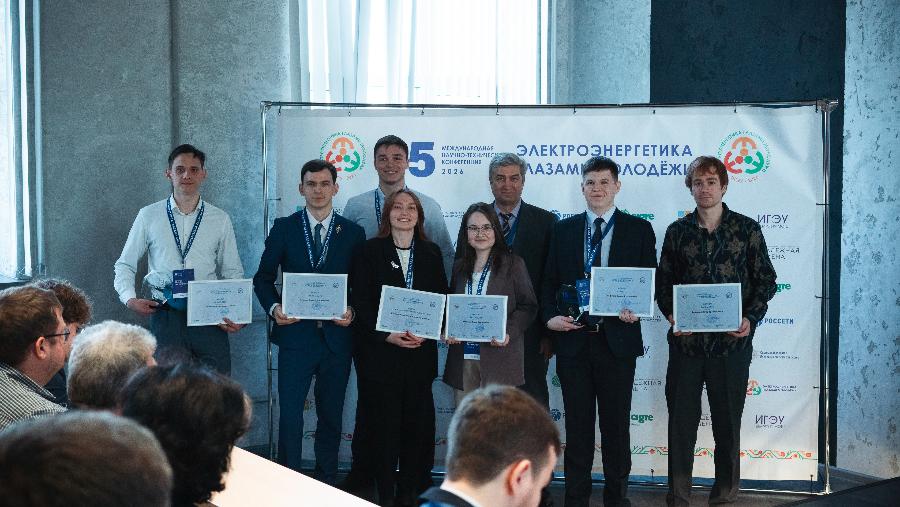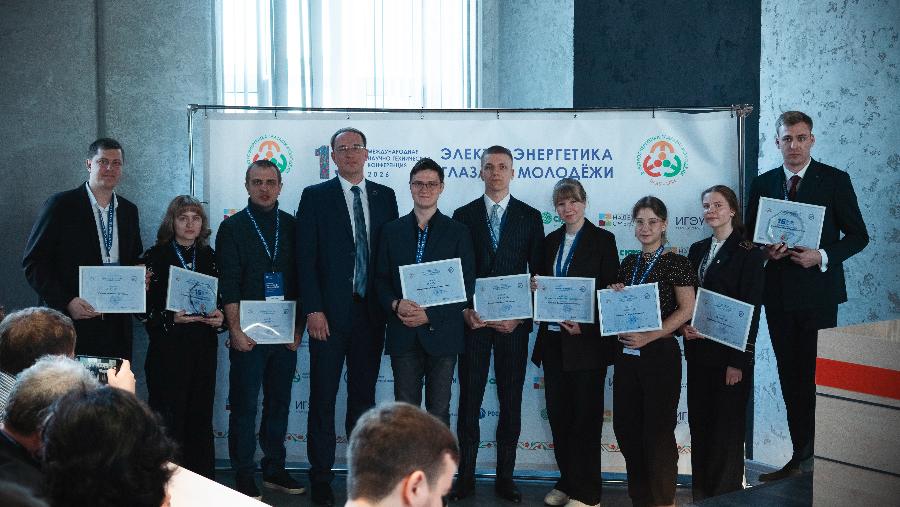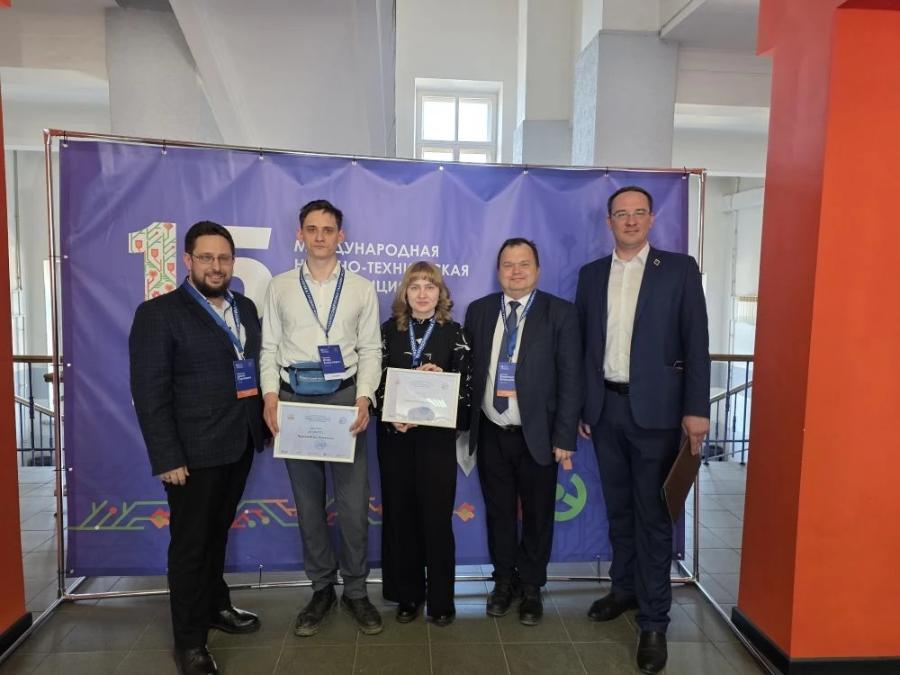
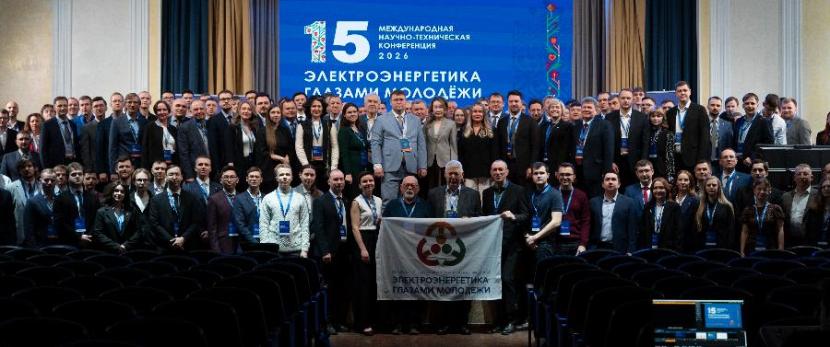
Ph. D. students from the ESI SB RAS deliver insightful presentations at the XV International Scientific and Technical Conference “Electric Power Industry through the Eyes of Youth”
Ya. D. Severina, a second-year Ph. D. student at the ESI SB RAS, was awarded first place in Session No. 5, “Emerging Trends in Electric Power Industry.”
In her presentation, “Comparison of Methods within a Two-Level Unit Commitment Approach for Hybrid Energy Systems,” she proposed a methodological framework for two-level multi-objective optimization and unit commitment for hybrid energy systems. The methodology was validated utilizing a case study of an isolated power system in the Sakhalin Region. During the optimization process, the upper level generates a set of Pareto-optimal configurations of a hybrid energy system, while the lower level performs detailed hourly simulations for criteria-based assessment. The decision is made utilizing a multi-criteria method, enabling decision-makers to reach an informed conclusion aligned with their preferences. The proposed approach provides a rationale for hybrid energy system unit commitment, balancing economic efficiency with power supply reliability.
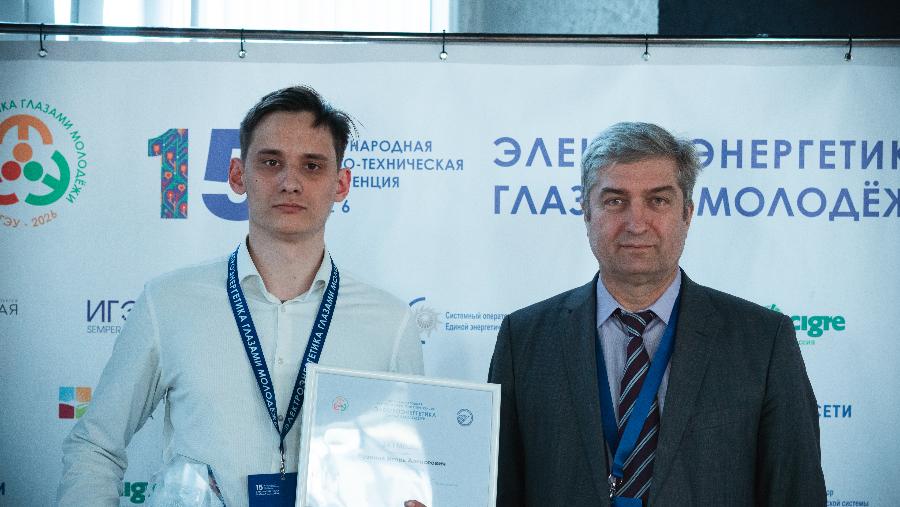
I. A. Puzanov, a second-year Ph. D. student at the ESI SB RAS, was awarded first place in Session No. 4, “Digital Technologies in Electric Power Industry.”
In his presentation “Phase Identification of Smart Meters in Low-Voltage Networks during Switching Operations Based on Correlation and Cluster Analysis,” he presented a methodology for identifying phase connectivity of consumer meters in a low-voltage distribution network during switching operations. The approach relies on the analysis of voltage measurements from smart meters and incorporates two methods: a two-stage modified voltage correlation analysis and EM-clustering based on a Gaussian mixture model. The performance of the developed phase identification algorithms is validated through testing on real-world voltage data obtained directly from the meters. The proposed algorithms enable accurate identification of the consumer phase connection both before and after switching, as well as detection of the switching event itself. The practical utility of the results is demonstrated by generating monthly energy balances for a low-voltage network that incorporates phase distribution.